


Reading time: 5 min | Category: Well-being & Longevity
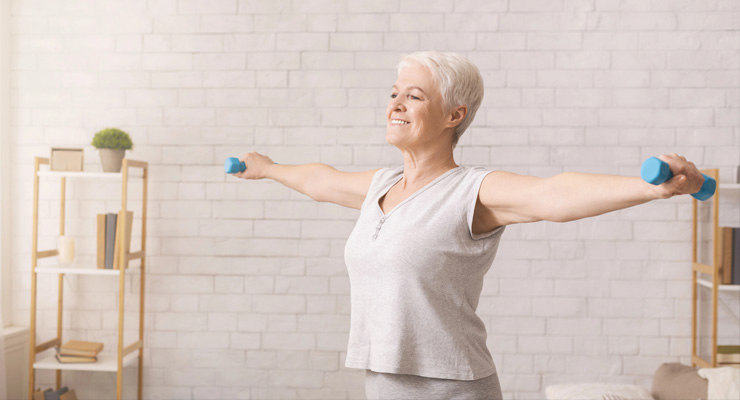
Ageing is inevitable. But ageing well — with a toned body, an upright posture and lasting energy — is, to a large extent, a matter of choice. And that choice largely comes down to regular physical activity.
The science is clear: exercise is one of the most powerful anti-aging tools we have. Not creams, not supplements, not miracle diets. Movement. Regular, appropriate, practised intelligently.
From around age 30, the body begins a series of gradual changes, often barely noticeable at first:
These changes aren't inevitable. They can be significantly slowed — and partly reversed — through regular, appropriate physical activity.
Preserving muscle mass
Muscle is the body's engine. Without regular use, it wastes away. Strength-based exercises — whether Pilates, TRX or gentle resistance training — stimulate protein synthesis and keep muscle mass active, even after age 60.
A toned body burns more calories at rest, maintains a firmer figure, and protects the joints by absorbing everyday impact.
Strengthening bones and preventing osteoporosis
Weight-bearing exercises — walking, step, strength training — stimulate bone mineralization and slow age-related bone density loss. This is especially important for women after menopause, when osteoporosis tends to progress more quickly.
Improving posture and reducing pain
Poor posture ages the body prematurely — it compresses the vertebrae, puts strain on the joints and creates chronic pain. Pilates is particularly effective here: by strengthening the deep core muscles, it naturally straightens the spine and relieves tension built up in the back, shoulders and hips.
Boosting brain health and preventing cognitive decline
Physical activity increases blood flow to the brain and stimulates the production of BDNF — a protein that supports the formation of new neural connections. Solid research has established a direct link between regular exercise and a reduced risk of neurodegenerative conditions such as Alzheimer's.
Staying active means looking after your brain too.
Benefiting the skin and tissues
Exercise improves blood circulation and tissue oxygenation, which is visibly reflected in skin quality — better radiance, fewer signs of fatigue, and improved skin elasticity. Vibration dumbbells, used by Cathy in her sessions, are known to have a particular effect on lymphatic circulation and overall skin appearance.
Reducing stress and improving sleep
Chronic stress speeds up cellular ageing by increasing the production of cortisol — an inflammatory hormone. Regular physical activity helps regulate cortisol, boosts endorphin production and significantly improves sleep quality. And good sleep is one of the most powerful pillars of longevity.
Not all sports are equal once you're past a certain age. High-impact activities — intensive running, contact sports — can worsen existing joint pain and weaken the bones.
Recommended activities for effective, lasting anti-aging:
The secret to anti-aging through exercise isn't intensity — it's consistency. Two to three sessions a week, practised steadily over the long term, produce far better results than occasional, intense sessions.
This is exactly the philosophy Cathy applies with her clients: progressive programmes, tailored to each profile, built to last — not to exhaust.
Starting an exercise routine alone after 50 carries certain risks: incorrect technique, progressing too quickly, or neglecting at-risk areas. A personal trainer helps you avoid these pitfalls and get the most out of every session.
Cathy D'Agop supports her senior clients in Monaco and the surrounding areas with tailor-made programmes combining Pilates, strength training and stretching — adapted to each condition, level and longevity goal.
Ageing doesn't stop. But its pace can be influenced. With a regular, appropriate and well-guided exercise routine, it's entirely possible to maintain a toned body, an upright posture and lasting energy well beyond 60 or 70.
The best time to start? Now.
Would you like to start a personalized anti-aging programme in Monaco? Contact Cathy for a first, no-obligation conversation.