


Reading time: 5 min | Category: Health & Conditions
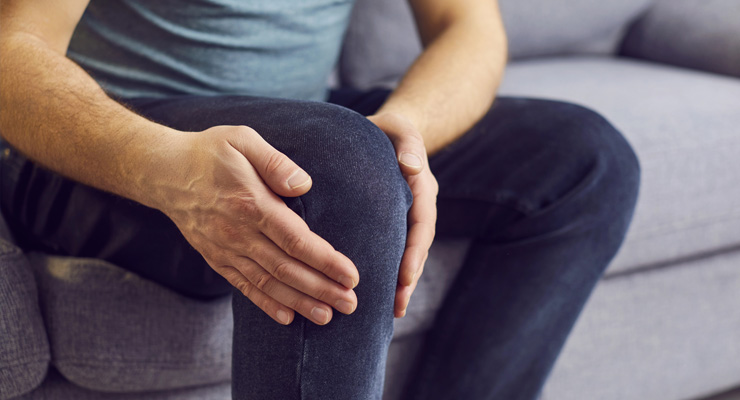
Osteoarthritis affects nearly 10 million people in France. It's the most common joint condition — and one of the least understood. Many people who have it believe they should stop exercising altogether, protect their joints as much as possible, and avoid any effort. Often, the opposite is true.
Movement, practised intelligently and adapted to each situation, is one of the best remedies for osteoarthritis. It lubricates the joints, strengthens the muscles that protect them, and maintains functional mobility — the kind that allows you to live normally day to day.
Osteoarthritis is a degenerative disease of the joint cartilage. Cartilage — the smooth tissue covering the ends of bones, allowing them to glide without friction — gradually wears down, thins and loses its ability to absorb shock.
The joints most commonly affected:
Osteoarthritis mainly affects people over 50, but it can appear earlier, particularly after a joint injury or in cases of significant excess weight.
When faced with pain, the natural instinct is to stop moving. That's understandable — but counterproductive. Inactivity makes osteoarthritis worse through a well-documented mechanism:
Breaking this vicious circle through appropriate physical activity is one of the recognized therapeutic priorities in managing osteoarthritis.
Strengthening the muscles that protect the joint
The muscles surrounding a joint act as shock absorbers. The stronger they are, the less direct strain the joint experiences. For an arthritic knee, for example, strengthening the quadriceps and hamstrings significantly reduces pain and slows cartilage breakdown.
Pilates is particularly well suited to this kind of peri-articular strengthening — it targets the deep stabilizing muscles without creating excessive impact or compression on the joints.
Lubricating the cartilage through movement
Joint cartilage has no blood supply — it's nourished by the synovial fluid surrounding the joint, which is absorbed into the cartilage. This fluid only circulates into the cartilage during movement, like a sponge being squeezed and released.
Without movement, cartilage becomes dehydrated and depleted. With regular, gentle movement, it stays nourished, hydrated and more resilient.
Reducing chronic inflammation
Moderate, regular physical activity reduces systemic inflammatory markers — including CRP and interleukin-6 — which worsen painful osteoarthritis flare-ups. An active body is a less inflamed body, and therefore a less painful one.
Maintaining functional mobility
Osteoarthritis tends to gradually reduce range of motion — bending down, climbing stairs, turning over in bed all become painful. Regular joint mobility exercises maintain this range and preserve independence in everyday movements.
Managing weight to relieve the joints
Excess weight significantly worsens osteoarthritis in the lower body. Each extra kilo represents roughly four extra kilos of pressure on the knee while walking. Even a modest weight loss — as little as 5 % of body weight — produces a significant reduction in joint pain.
Recommended activities:
Activities to avoid or adapt:
Pilates is now recognized as one of the most suitable methods for managing osteoarthritis through physical activity. Its core principles — gentleness, precision, deep work, and zero impact — make it an ideal approach for fragile joints.
The Reformer takes this even further. By allowing partial unloading of the body, it enables strengthening and mobility exercises that would be impossible to perform standing for people in a painful phase.
What the Reformer specifically offers for osteoarthritis:
Cathy D'Agop regularly works with clients who have osteoarthritis — in the lower back, hip or knee — at various stages. Her approach is built on three pillars:
1. A thorough initial assessment
Before any session, Cathy reviews medical diagnoses, current treatments and painful areas. She systematically adapts her programme to the prescriptions of the doctor or rheumatologist.
2. A personalized, evolving programme
There's no standard programme. Each session is built around the client's actual abilities on that particular day — taking into account inflammatory flare-ups, fatigue and the variable nature of osteoarthritis pain.
3. Work that complements medical follow-up
Cathy doesn't replace a doctor or physiotherapist. She extends and complements their work by maintaining movement between rehabilitation sessions — which is exactly what an arthritic joint needs.
Before starting any physical activity with diagnosed osteoarthritis, a medical consultation is essential. Your doctor or rheumatologist can assess the stage of the condition, identify any contraindications, and give the go-ahead for Pilates or adapted coaching.
Once you have medical clearance, starting as soon as possible is the best decision. Every week of inactivity makes things worse — every session of appropriate movement makes things better.
Osteoarthritis doesn't mean a life of inactivity. It's a condition that can be managed and stabilized, with its effects significantly reduced through regular, appropriate physical activity.
Pilates, practised with a coach who understands joint conditions, is one of the safest and most effective approaches to getting moving again, relieving pain and regaining a satisfying quality of life — whatever your age or the stage of the condition.
Moving less makes it worse. Moving better makes it better.
Do you have osteoarthritis and want to resume appropriate physical activity in Monaco? Contact Cathy for a first, no-obligation conversation.